


Reading Time: 14 minutes
LGBTQ+ Resources for Addiction and Mental Health
Substance abuse and addiction rates in the LGBTQ+ community tend to be higher than other demographics. Societal stigma, discrimination, mental and physical abuse, and co-occurring mental health disorders are few of the unique substance abuse triggers among this population. The good news, however, is that LGBTQ+ resources for addiction and mental health are readily available to help members of this community conquer substance abuse.
Find LGBTQ+Friendly Rehab Centers By State
Unique LGBTQ+ Addiction and Mental Health Challenges
 The Substance Abuse and Mental Health Services Administration (SAMHSA) reports that individuals in the LGBTQ+ community are more than twice as likely to experience mental illness in their lifetime than heterosexual individuals.
According to The National Alliance on Mental Illness (NAMI), the actual number could be even higher. NAMI reports that LGBTQ+ individuals are nearly 3x more likely to experience mental health disorders, specifically, generalized anxiety disorder or depression. Additionally, nearly 30% of gay and transgender individuals contemplate suicide during their adolescence.
Several unique challenges drive these statistics, and each one can easily lead to increased anxiety, depression, or other mental health concerns.
LGBTQ+ individuals often face:
- Discrimination or stigma
- Hate crimes or fear for personal safety
- Emotional abuse, threats and/or ridicule
- Rejection from family or friends
- Loss of employment or pass-over for promotions
LGBTQ+ Addiction and Mental Health Statistics
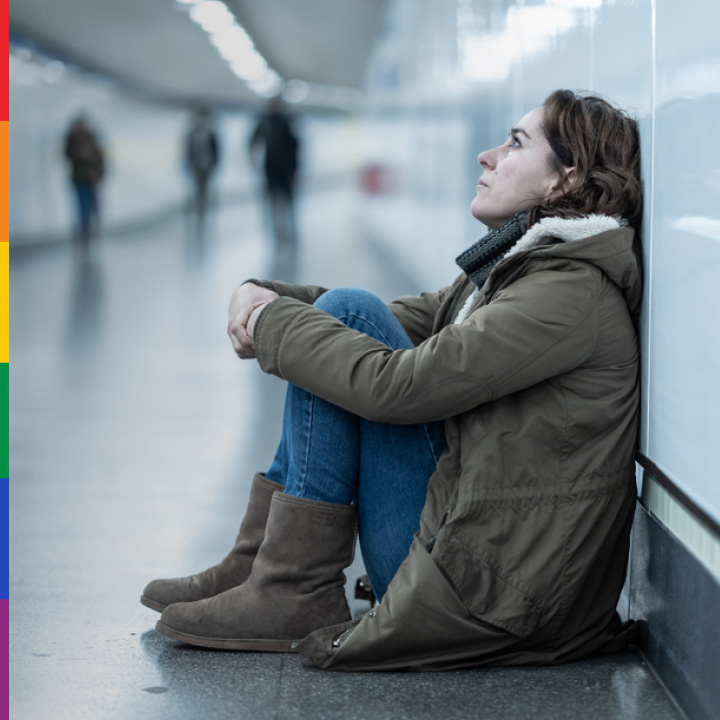 To cope with discrimination and rejection, many LGBTQ+ individuals turn to drugs or alcohol to self-medicate or escape. This has led to higher levels of substance abuse.
A 2022 Trevor Report on LGBTQ+ drug use found that:
- Over 8% of LGBTQ+ youths over the age of 21 have consumed alcohol, and 47% of those under the age of 21.
- 11% of LGBTQ+ youths used prescription drugs that were not prescribed for them.
- LGBTQ+ Native Americans had the highest consumption rates of alcohol and marijuana use.
- LGBTQ+ individuals who underwent conversion therapy had higher rates of drug and alcohol misuse.
- LGBTQ+ youths who consumed drugs and alcohol had higher attempted suicide rates than those who did not. Up to 40% of individuals who took prescription medications admitted to attempting suicide, compared to 17% who did not.

Alcohol use in particular has become normalized in the LGBTQ+ community – this includes heavy alcohol use. For many decades, the only place these individuals could feel safely open about their sexuality was in gay bars. Therefore, drinking became one of the main social activities of this community, making alcohol misuse more common among LGBTQ+ individuals.
of LGBTQ+ individuals misuse substances – compared to 9% of the general population.
Bisexual women have opioid use disorders – compared to heterosexual women
Among lesbian women for polysubstance abuse from 2021 to 2023.
Of all gay and lesbian youths have used illegal substances in 2023.
Substance abuse, whether alcohol or other drugs, leads to further mental health issues. Drug use can worsen existing symptoms or create new mental illness. Common mental health disorders that are associated with drug abuse include paranoia, delusions, psychosis, anxiety, depression and panic attacks. All these challenges further increase the risk of suicide, homelessness, addiction, and continued mental health issues.
To combat addiction and mental health risks, many organizations offer resources and support targeted specifically to the LGBTQ+ community. Rehabs tend to offer special tracks for LGBTQ+ and Veterans more than other groups, so help is always nearby. Nevertheless, the following are 25 of those resources. These links offer a variety of information, assistance, and care for LGBTQ+ individuals of all ages.
LGBTQ+ Mental Health and Substance Abuse Organizations

- Addiction Technology Transfer Center (ATTC): This network is an international, multidisciplinary resource for professionals working in the addiction and recovery field. It offers training and assistance for providers, covering treatment issues and barriers faced by LGBT individuals.
- Association of Gay and Lesbian Psychiatrists: This organization is a community of psychiatrists who advocate and educate on LGBTQ+ mental health concerns. The site includes a page of resources specifically for the LGBTQ+ community.
- CDC LGBT Health: This Centers for Disease Control and Prevention site offers information and resources on some of the health issues and inequities affecting LGBT communities. It also provides additional links to other related resources.
- The National SOGIE Center: This organization supports strategies for mental health and substance use disorder treatments that address disparities impacting the LGBTQ+ community. It offers information and resources to enhance the care of this population.
- Gay and Lesbian Medical Association: This national organization is the world’s oldest association of LGBTQ+ healthcare professionals. It is committed to ensuring health equity for LGBTQ+ individuals. The focus is on advocacy, education, and research.
- Lesbian and Gay Child and Adolescent Psychiatric Association (PrideCAPA): This organization is an affiliate of the Academy of Child and Adolescent Psychiatry (AACAP). It focuses on the mental health needs of youth related to sexual issues.
- LGBT Foundation: This foundation “believes in a fair and equal society where all LGBT people can achieve their full potential.” The foundation offers support, advice, and information relating to mental health issues and drug and alcohol abuse and addiction. Based in the UK, the aim is to provide support that allows LBGT people to increase skills, self-confidence, and knowledge to improve their health and well-being.
- Mental Health America: MHA is committed to promoting mental health as part of overall wellness. The organization works to raise awareness locally and nationally about mental health issues. It supports prevention services, interventions, and integrated care, with recovery as the goal. Their website provides an overview of the needs and treatments available for LGBTQ+ individuals.
- National Alliance on Mental Illness (NAMI): This is a grassroots mental health organization that is dedicated to building better lives for those who are affected by mental illness. NAMI works to support, educate, and advocate. It provides a support network that is available to all, without fear of discrimination.
- Substance Abuse and Mental Health Services Administration: SAMHSA is a U.S. Department of Health and Human Services agency charged with leading public health efforts to advance the behavioral health of the nation. It provides LGBTQ+ resources including survey reports, federal initiatives, and related behavioral health resources.
LGBTQ+ Online Resources for Addiction and Mental Health

- A Practitioner’s Resource Guide: Helping Families to Support Their LGBT Children: This free guide offers information and resources to help practitioners throughout health and social service systems implement best practices in engaging and helping families and caregivers support their LGBT children.
- Mental Health America: This page provides an overview of mental health resources available to LGBTQ+ members. The site offers statistics and links to resources on a variety of topics such as discrimination and substance abuse.
- Gay, Lesbian & Straight Education Network: GLISTEN offers resources that focus on mental health problems with an emphasis on students and educators. It provides keys for maintaining good mental health as well as additional resources for schools.
- Glaad: This organization’s goal is to tackle tough issues and provoke conversations that lead to cultural change. It offers resources for transgender people in crisis and general information and support details for the transgender community.
- Healthy People 2020-Lesbian, Gay, Bisexual, & Transgender Health: This HealthyPeople.gov page reviews national goals and objectives aimed at improving the health and well-being of LGBTQ+ individuals.
- MentalHealth.gov: This site offers a one-stop shop for U.S. government mental health resources. It provides education and guidance for the general public, policy makers, schools, health professionals, and government leaders, including information specific to the LGBTQ+ community. Resources include the office of Behavioral Health Equity, which coordinates efforts to reduce disparities in mental health and substance use disorders across populations.
- National Alliance on Mental Illness (NAMI) LGBTQIA Mental Health Resources: This NAMI site discusses risk factors of LGBTQ+ mental health and offers insight into how to find appropriate treatment for mental health concerns. The site also includes additional resources for LGBTQ+ mental health.
- Alliance for Women’s Health and Prevention: This organization focuses on women’s health and improving the health of women and girls through innovative programs, education, and policy change. It examines the challenges that can exist for lesbian, bisexual, and transgender women and offers additional sources of information on these issues.
LGBTQ+ Youth Services
- Hetrick-Martin Institute (HMI): This organization offers direct services and referrals for LGBTQ+ individuals aged 13 to 24, and their families. HMI seeks to promote youth services and provide a model for other organizations to follow.
- It Gets Better: This nonprofit organization aims to empower and connect LGBTQ+ youth around the globe. It Gets Better Project has identified 900+ resources where members of this community can get support.
- LGBT US: This page offers resources concerning bullying, legal assistance, and advocacy. They sponsor events and raise funds to educate and advance safer communities for LGBTQ+ members.
- Stop Bullying: This website, managed by the U.S. Department of Health and Human Services, contains a specific section for LGBTQ+ youth. The focus is on building a physically and emotionally safe environment for all LGBTQ+ youth.
LGBTQ+ Hotlines and Crisis Centers
- LGBTQIA2S Hotline: This center serves gay, lesbian, bisexual, transgender and questioning people with free and confidential peer-support and local resources, especially for those considering coming out.
- LGBT National Hotline: 888-843-4564
- LGBT National Youth Talkline: 800-246-7743
- LGBT National Senior Hotline: 888-234-7243
- oSTEM: Out in Science, Technology, Engineering, and Mathematics is a non-profit association for LGBTQ+ individuals in the STEM community. This page offers information about crisis hotlines and services that are LGBTQ-inclusive.
- Trans Lifeline: This grassroots hotline provides direct emotional and financial support to trans people in crisis. It offers peer support for trans individuals given by trans individuals.
LGBTQ+ Suicide Prevention Support and Services
- American Foundation for Suicide Prevention: The American Foundation for Suicide Prevention (AFSP) is the leading national not-for-profit organization exclusively dedicated to understanding and preventing suicide through research, education, advocacy, and to reaching out to people with mental disorders and those impacted by suicide.
- The Trevor Project: This organization provides confidential support for LGBTQ+ youth in crisis, 24 hours a day, 7 days a week.
- TrevorLifeline 866-4-U-TREVOR (1-866-488-7386): Crisis intervention and suicide prevention phone service available 24/7/365
- TrevorChat: Confidential online instant messaging with a Trevor counselor, available 24/7. Access via computer.
- TrevorText – Text START to 678-678: Confidential text messaging with a Trevor counselor, available 24/7/365. Standard messaging rates may apply.
- SAGE LGBT Elder Hotline: Connects older members of the LGBTQ community with friendly, helpful responders. Confidential support and crisis response available 24/7.
- SAGE LGBT Elder Hotline 1-877-360-LGBT (5428)
Expert Q&A

There are many possible risk factors that could lead to negative health outcomes for LGBTQ+ people, substance use being one of them. The stress related to holding a marginalized identity (and sometimes identities) creates challenges for LGBTQ+ people that might be numbed by alcohol or drugs. Specific risk factors might include family rejection, lack of community support, experiences and perceptions with harassment and microaggressions (or more overt incidents of bias), policies that do not protect LGBTQ+ people, and depression and anxiety as a result of living in a world where one does not feel a sense of belonging.
I am a firm and passionate believer in symbolism. Symbolism saves lives! Visible efforts to show support such as pride flags, safe spaces for LGBTQ+ students (GSA in a school, gender neutral bathroom), LGBTQ+ role models, policies that protect LGBTQ+ people, and community organization and programs that engage the community to increase protection of its more vulnerable. In my town of Rye, New York, I, along with four other women created pRYEde Community Group, an organization that strives to protect our LGBTQ+ youth and adults through programming, advocacy, and activism. We have been quite productive and successful in our efforts. Check out our organization that could be used as a model for other communities! (in fact, Westport, Connecticut, created a similar group after meeting with us) Pryede.org
Supporting families who have questioning or LGBTQ+ children is essential in protecting the youth individual. Connecting the youth individual with a role model and or community is also essential.
Creating a sense of belonging for the LGBTQ+ youth individual has been evidenced in the research as reducing suicidality and other negative health outcomes.

LGBTQ people experience higher rates of mental health challenges, including substance use, due to living in a society that continues to oppress and marginalize them based on their sexual orientation and gender identity. At the federal and state levels, LGBTQ peoples’ basic rights are being debated and legislated, and this trickles down to day-to-day experiences of discrimination, homophobia/transphobia, aggression, and microaggressions.
This lack of acceptance and physical and emotional safety leads to higher rates of mental health challenges, such as depression, anxiety, and substance use.
LGBTQ youth experience significantly high rates of verbal and physical harassment at school and are greatly impacted by family rejection. Their deeply personal experiences of sexuality and gender identity are the subject of jokes, putdowns, sermons, and restrictive legislation. All of this can lead to deep feelings of shame and hopelessness. We need to promote acceptance, understanding, and inclusivity across settings. We need to ensure that schools protect LGBTQ youth from bullying and harassment so that they can learn in a safe and accepting environment. We need to ensure that families understand the basics of sexual orientation and gender identity, as well as how their responses to their children can communicate love and acceptance rather than judgment and alienation. We need to ensure that LGBTQ youth have access to affirming and culturally responsive health and mental health care. We need to advocate for policies and legislation that protects LGBTQ youth rather than denies, denigrates or dismisses them.
Research has established a strong relation between minority stressors and increased levels of substance use for LGBTQ youth and adults. Minority stressors are those experiences by minority populations that are above and beyond the typical stressors that apply to all people. For LGBTQ populations, examples of minority stressors are internalized homophobia, victimization due to one’s sexual/gender identity, and concealment of one’s sexual identity. When LGBTQ people experience high levels of minority stressors, they often also report higher levels of substance use and mental health problems compared to their cisgender and heterosexual counterparts.
There are different ways we can intervene to reduce the disparities in suicide among LGBTQ youth. We could focus on the structural level — policies and laws — and advocate for our politicians to pass laws that protect the rights of all LGBTQ people. Interpersonally, we can encourage parents to accept and support their LGBTQ children when they come out to them. At schools, we can enact enumerated anti-bullying laws and allow Gender Sexual Alliances to form to support the well-being of LGBTQ youth. We can also advocate for inclusive curriculum and textbooks that fairly represent LGBTQ individuals.

Numerous research studies have found that people who identify as lesbian, gay, bisexual, transgender, and questioning experience higher rates of substance abuse. I don’t think that people who identify as LGBTQ+ are more innately prone to these issues. Rather, there are certain inequalities and challenges that LGBTQ+ populations face that put them at a higher risk.
People who identify as LGBTQ face social discrimination, stigma, as well as higher rates of violence and harassment. Constant harassment, rejection, and threats of violence can trigger anxiety and depression, both of which are risk factors for substance abuse disorders.
Also, LGBTQ+ populations face inequalities in access to mental health care. Members of the LBGTQ+ communities do not always have access to compassionate mental health care due to a lack of cultural competence and even discrimination among providers.
Studies have confirmed that LGBTQ youth face some of the greatest mental health disparities. In addition, COVID-19 has widened these disparities, according to the research.
A lack of access to mental health treatment can increase the chances of substance abuse disorders.
LGBTQ+ youth face higher risks of suicide for some of the same reasons why they face higher rates of substance abuse —discrimination, bullying, and a lack of access to culturally appropriate care.
I think that it’s important to continue to work on improving access to culturally competent mental health and substance abuse treatment. Fortunately, we are making progress in this area by highlighting these issues.
Mental health and substance abuse treatment providers can help by making treatment more welcoming to all. Using inclusive language and diverse perspectives in treatment materials is one way to help. It’s also important to do the same in things like blog posts and social media. This can create a more welcoming treatment space for people who identify as LGBTQ+.
If you or someone you love is experiencing a substance use disorder, help is available. Contact our helpline to get the help you need, today.